Jah Kente International ®, Inc.
  • Mission
    • Governance >
      • Reverend Barksdale-Hall
      • Dr. Theresia Wansi - Economics and Finance - Business Management
      • Bully Prevention Policy
      • Contacts
  • Career & Technical Education
    • KIPCAREER
    • Business Management and Finance
    • Government, Global Politics, International Relations, Diplomacy, Foreign Affairs
    • Communication Media Arts and Culture >
      • TYREEK
    • Information Communication Technology >
      • Textile, Fashion Arts and Cosmetology >
        • MEKDI
        • Designs by DC Youths
      • SERGIO
      • JILMER
    • Community Creativity Activity Service -CCAS >
      • Student Voices
    • College and Career Readiness >
      • Soft Skills SCANS - Work - College - Career Readiness
      • Mentorship >
        • YMOC-Outreach
      • Tailored Workshop
    • Theatre >
      • Redemption Ritual
      • Dare to Amaze Youths >
        • myjadarbymkthepoet
        • Ajani Obaseki
        • Chiamaka Irika
        • Hope Payne
        • OST Project Proficient
    • Medicine and Arts
  • ARTS&HUMANITIES
    • Culinary Arts and Sommelier >
      • Food Research and News
      • Dance Ethnography
      • News/Events >
        • COVID-19
        • Archives
    • Research
    • Ethnohistory
    • Ethnomusicology
    • Harlem Renaissance
    • Freedom Ride and Civil Rights
    • Curriculum Designs
    • Juneteenth
    • Great Literature >
      • Things Fall Apart >
        • Metaphor and Similes >
          • Written Word
        • Tone
        • Igbo Phrases
      • Poetry for Purpose >
        • Spoken Word
  • THOUGHT LEADERSHIP
  • Global EXCHANGE
    • Heritage Tours and Development
    • THE SALON >
      • Visual Arts >
        • ArtsAndDecor
        • Samara Winston
        • Film
      • African Hit Music of All Time
Picture

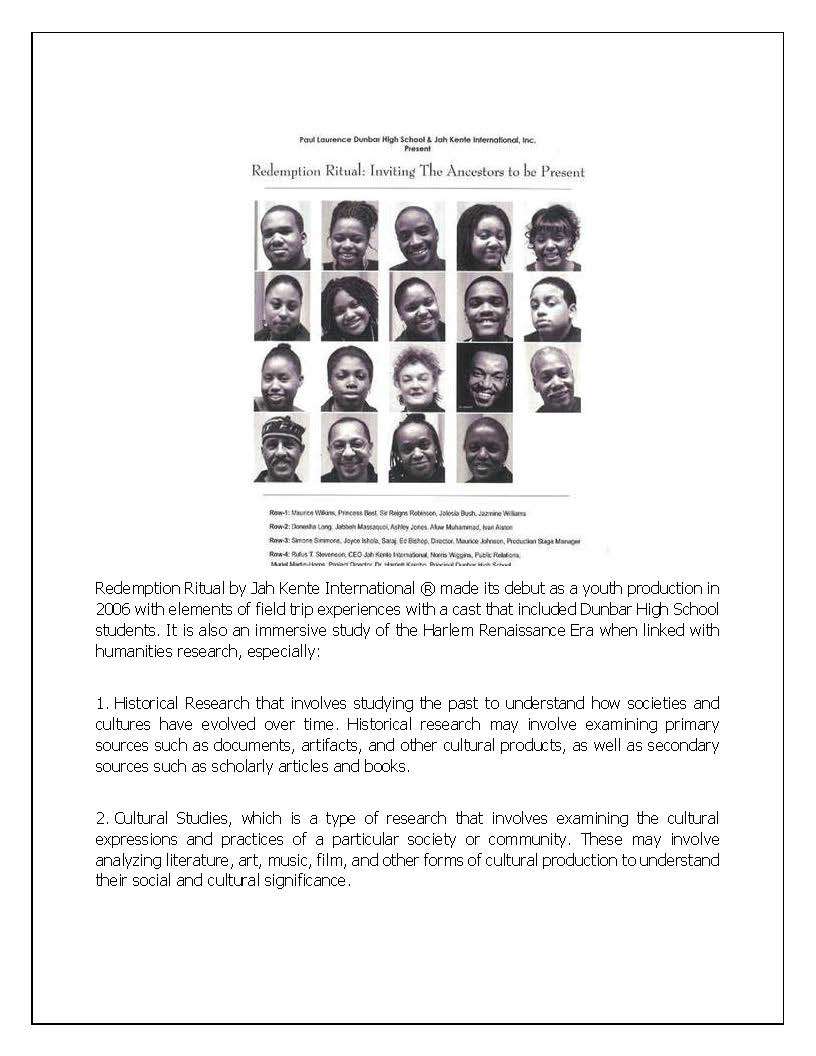
Redemption Ritual is produced by Jah Kente International ® as a choreo-poetic presentation of classical poems by leading African American poets during Harlem Renaissance Era, such as:  Countee Cullen, Langston Hughes, Robert Hayden, Margaret Walker, Richard Wright, James Weldon Johnson and Sterling A. Brown. It is a vivid and compelling depiction of common aspects of African American life from captivity, middle passage, to lived experiences.
Students learn how to use the elements of theatrical expression to create drama, as well as original dramas on stage. Students learn how to acquire and use 21st century skills such as creativity, imagination, problem solving, media literacy, IT literacy, cross cultural learning and structure, by exercising key characteristics and habits of the mind, including but not limited to soft skills such as: compare and contrast, variety of expression, questioning, abstract and concrete thinking, applying prior and newly acquired knowledge, making predictions, creating new productions, designing, analyzing, word structure, collaborative actions, sequencing and imagery.
Picture

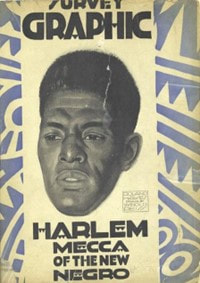
During the Great Migration over 175,000 African Americans moved to Harlem that had become a particularly fertile place for cultural experimentation and key to artistic revolution and authentic expression in an extraordinarily diverse black social world in which no one group could monopolize cultural authority.
While not confined to the  Harlem  district of  New York City , the Harlem neighborhood in the borough of Manhattan was considered the symbolic capital of this cultural awakening. Black intellectuals from Washington, Baltimore, Philadelphia, Los Angeles, and other cities, where they had their own intellectual circles, discussion groups, and theaters, also converged in Harlem or resettled there.
Harlem was considered the “Negro Mecca” during the Harlem Renaissance, also known as the " New Negro Movement, " which blossomed from 1918- 1937 as an intellectual, social, literary, and artistic expression that included literature, music, theatre and visual arts. The range of interests and expressions aimed to re-conceptualize “the Negro” and away from white thoughts that engineered relationships among black people regarding their heritage.  All these produced intense debates with enormous impact on subsequent black literature and consciousness worldwide.
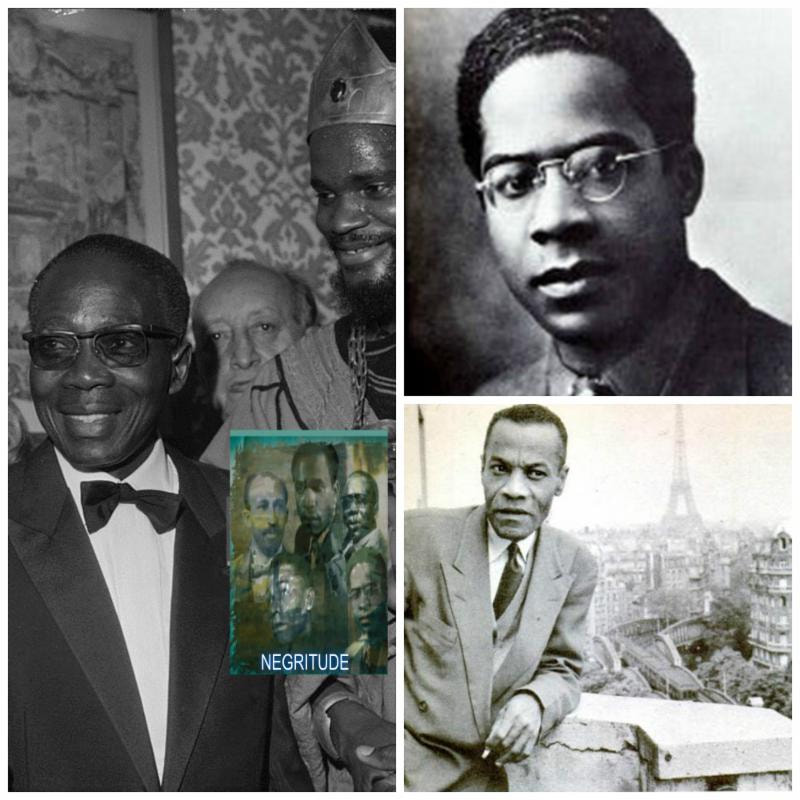
From the 1930-1950s, French-speaking African and Caribbean writers living in Paris protested French colonial rule and the policy of assimilation. Their works influenced the African Renaissance with the Négritude Movement as a framework of critique and literary theory that promoted African consciousness.
Picture

The major initiators : Léopold Sédar Senghor  who became the first President of Senegal; Martinican poet Aimé Césaire  (top right); and  Léon Damas  of French Guiana. Négritude intellectuals negated colonialism and argued for the importance of the African Renaissance and Pan-African ethics among people of African descent worldwide. 
 
As Senghor wrote, "Négritude transcends the deep divisions within and between Arabs, Africans, and the African Diaspora by recognizing a common racial thread." It counteracted European ideology that considered people of color as inferior to the whites with an assertion of a self-defined identity for people of African origin. From a political standpoint, Negritude ignited literary movements that responded to global politics and was, in part, influenced by the Harlem Renaissance.

JKI’s theatrical presentation can be linked to the study of the Harlem Renaissance Era to provide young people with new lenses of inquiry to explore a range of themes of this historic and most influential period African American cultural awakening in a range of the arts and humanities discipline, and to make connections to contemporary local, national, and global contexts.
This presents opportunities that support intellectual research, rigor and creativity that is possible through intentional partnerships that engage the community in meaningful ways, and with emphasis on new scholarship about the period and its ongoing impact on contemporary life.
 
In capturing the visual aspects of the Harlem Renaissance, the engagements empower youths to construct new interpretative frames that visualize and make meaning of Black life, past and present.
C
In what ways did this period ignite community by elite and working-class Blacks of the Harlem Renaissance informed how communities of color defined the social issues affecting them and organized for activism in pursuit of social justice?
 
​

  • Mission
    • Governance >
      • Reverend Barksdale-Hall
      • Dr. Theresia Wansi - Economics and Finance - Business Management
      • Bully Prevention Policy
      • Contacts
  • Career & Technical Education
    • KIPCAREER
    • Business Management and Finance
    • Government, Global Politics, International Relations, Diplomacy, Foreign Affairs
    • Communication Media Arts and Culture >
      • TYREEK
    • Information Communication Technology >
      • Textile, Fashion Arts and Cosmetology >
        • MEKDI
        • Designs by DC Youths
      • SERGIO
      • JILMER
    • Community Creativity Activity Service -CCAS >
      • Student Voices
    • College and Career Readiness >
      • Soft Skills SCANS - Work - College - Career Readiness
      • Mentorship >
        • YMOC-Outreach
      • Tailored Workshop
    • Theatre >
      • Redemption Ritual
      • Dare to Amaze Youths >
        • myjadarbymkthepoet
        • Ajani Obaseki
        • Chiamaka Irika
        • Hope Payne
        • OST Project Proficient
    • Medicine and Arts
  • ARTS&HUMANITIES
    • Culinary Arts and Sommelier >
      • Food Research and News
      • Dance Ethnography
      • News/Events >
        • COVID-19
        • Archives
    • Research
    • Ethnohistory
    • Ethnomusicology
    • Harlem Renaissance
    • Freedom Ride and Civil Rights
    • Curriculum Designs
    • Juneteenth
    • Great Literature >
      • Things Fall Apart >
        • Metaphor and Similes >
          • Written Word
        • Tone
        • Igbo Phrases
      • Poetry for Purpose >
        • Spoken Word
  • THOUGHT LEADERSHIP
  • Global EXCHANGE
    • Heritage Tours and Development
    • THE SALON >
      • Visual Arts >
        • ArtsAndDecor
        • Samara Winston
        • Film
      • African Hit Music of All Time